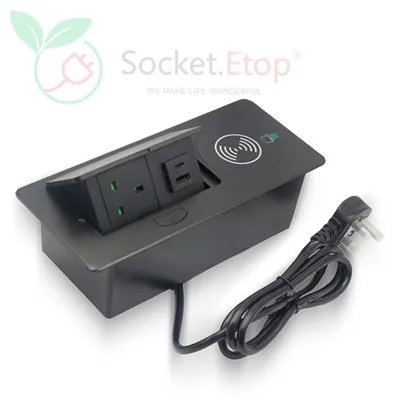
Yes, power outlets are conductive. When no plug is inserted, there is a continuity between the positive and negative terminals, allowing electricity to flow.
Electrical Principles
Power outlets are interfaces used to connect household circuits and various household appliances. Simply put, they are for supplying power to appliances so they can function properly. In electrical principles, a path must be established between the positive and negative terminals for current to flow. Under normal circumstances, the power supply in a household circuit already establishes a path between the outlets, making the outside of the outlet a conductor.
The Function of Power Outlets
Power outlets are typically made of metal, such as copper. Metal has good conductivity, allowing a circuit to be formed when a plug is inserted, thus supplying power to various household appliances. Additionally, power outlets use fuses to control the current, preventing short circuits and appliance burnout caused by excessive current.
Safety Tips for Using Power Outlets
Although power outlets are conductive, safety precautions should still be taken when using them. For example, appliance plugs should be checked regularly to prevent dangers caused by loose plugs. During use, appliance plugs should not be tapped together, and power should be turned off before plugging or unplugging to avoid electric shock and other safety issues.