


Hey there! As an electrical sockets supplier, I get a ton of questions from customers about all sorts of things related to electrical sockets. One of the most common questions I hear is, "How do I test if an electrical socket has proper polarity?" Well, I'm here to break it down for you in a super easy way.
First off, why does polarity even matter? Proper polarity is crucial for the safe and efficient operation of your electrical devices. When an electrical socket has the correct polarity, it ensures that the hot wire is connected to the appropriate terminal, and the neutral wire is connected to its designated terminal. This helps prevent electrical shocks, reduces the risk of fire, and makes sure your appliances work as they should.
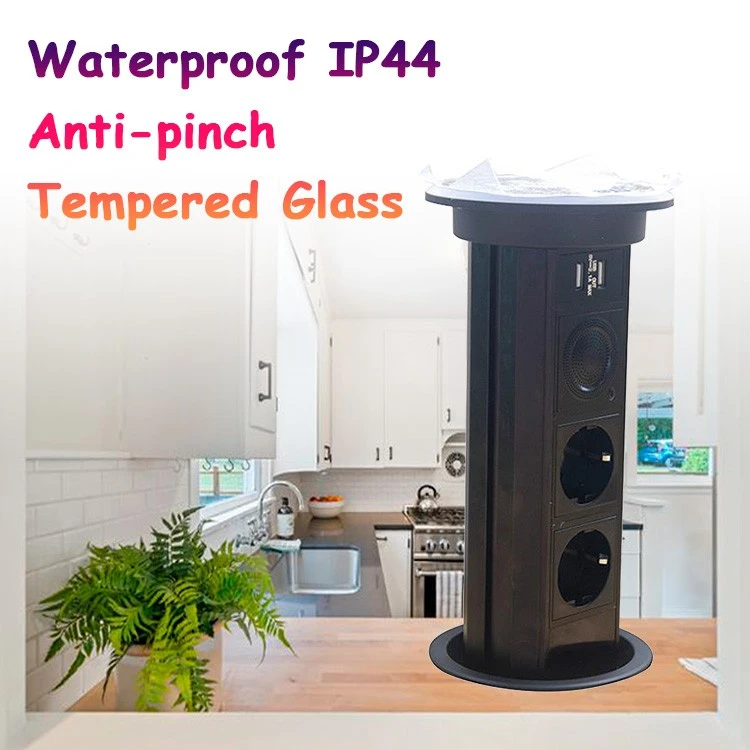

Now, let's talk about how you can test the polarity of an electrical socket. There are a few different methods you can use, and I'll go over each one.
Method 1: Using a Plug - In Polarity Tester
This is probably the easiest and most common way to test socket polarity. A plug - in polarity tester is a small, inexpensive device that you can find at most hardware stores. Here's how it works:
- Safety First: Before you start, make sure you're wearing rubber - soled shoes and that your hands are dry. This reduces the risk of electrical shock.
- Insert the Tester: Simply plug the polarity tester into the electrical socket you want to test. The tester has a set of lights that will indicate the polarity status.
- Correct Polarity: If the lights on the tester show the correct pattern (usually a specific combination of illuminated lights), it means the socket has proper polarity. For example, on some testers, a green light might indicate correct polarity.
- Incorrect Polarity: If the lights show a different pattern, it means the socket has reversed polarity. This could be a sign of a wiring issue that needs to be fixed.
Method 2: Using a Multimeter
A multimeter is a more advanced tool, but it can also be used to test socket polarity. Here's what you need to do:
- Set the Multimeter: Set your multimeter to measure AC voltage. Make sure the range is appropriate for the voltage in your area (usually 120V or 240V).
- Insert the Probes: Insert the black probe into the wide slot of the socket (this is the neutral slot) and the red probe into the narrow slot (the hot slot).
- Read the Voltage: If the multimeter shows a positive voltage reading, it means the socket has proper polarity. If the reading is negative, the polarity is reversed.
Method 3: Visual Inspection (Advanced)
This method is a bit more advanced and should only be done by someone with electrical knowledge. Here's what you need to do:
- Turn Off the Power: Before you start, turn off the power to the socket at the circuit breaker. This is extremely important for your safety.
- Remove the Socket Cover: Use a screwdriver to remove the cover plate of the socket.
- Inspect the Wires: Look at the wires connected to the socket. The hot wire is usually black or red, and it should be connected to the brass - colored terminal. The neutral wire is usually white, and it should be connected to the silver - colored terminal. If the wires are connected incorrectly, the socket has reversed polarity.
Now, let me tell you a bit about the electrical sockets we offer. We have a wide range of high - quality electrical sockets to meet your needs. For example, we have Under Cabinet Power Strips with Usb Ports. These power strips are great for kitchens or any area where you need to charge your devices while keeping them out of the way.
We also have Pop Up Electrical Outlet for Island. These are perfect for kitchen islands or other areas where you want a convenient and hidden power source.
If you're looking for a high - powered socket, our PD65W Push Power Socket is a great option. It can provide fast charging for your devices.
For those who want to control their sockets remotely, we offer the Wifi Smart Electrical Socket Tuya. You can use your smartphone to turn the socket on and off, set schedules, and more.
And if you're in the kitchen, our Air Spring Kitchen Socket is a great choice. It has a unique design that makes it easy to use and looks great in any kitchen.
If you're interested in any of our electrical sockets or have more questions about socket polarity, don't hesitate to reach out. We're here to help you find the right products for your needs and ensure that you're using them safely. Whether you're a homeowner looking to upgrade your sockets or a contractor working on a project, we've got you covered.
Contact us to start a procurement discussion and let's find the perfect electrical sockets for you!
References
- Electrical Safety Foundation International. (n.d.). Electrical Safety Basics.
- National Electrical Code. (Latest Edition). Standards for electrical installations.


