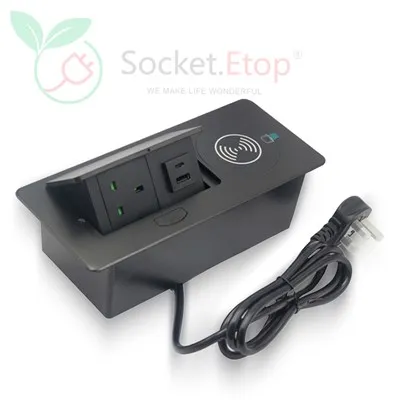
When it comes to choosing the right power socket for your needs, one of the most crucial factors to consider is how many amps it can handle. As a power socket supplier, we've seen firsthand how understanding this aspect can make a huge difference in both safety and functionality. In this blog, we're gonna break down the typical amp ratings of power sockets, what affects these ratings, and how you can pick the best one for your situation.
Understanding Amps
Before diving into the amp ratings of power sockets, let's quickly go over what amps actually are. Amps, short for amperes, are a unit of measurement for electrical current. Think of it like the flow rate of water through a pipe. In the electrical world, amps tell you how much electric charge is passing through a circuit at a given time. The higher the amps, the more electricity can flow.
Typical Amp Ratings for Power Sockets
The amp rating of a power socket can vary quite a bit depending on where you are in the world and what the socket is designed for.
In the United States and Canada
In the US and Canada, the most common residential power sockets are rated for 15 amps. These outlets, often found in homes for general use like plugging in lamps, TVs, and small appliances, are easily recognizable by their two flat parallel slots and a round or U - shaped grounding hole. There are also 20 - amp sockets, which look similar but have one of the parallel slots T - shaped. These are usually used for larger appliances like microwaves or power tools that draw more current.
In the United Kingdom
Over in the UK, standard domestic sockets are rated for 13 amps. These sockets have three rectangular pins and are designed to handle a decent amount of electrical load. The UK's electrical system has built - in safety features like fuses in the plugs to protect against overloading the sockets.


In Europe
European power sockets generally come in two main types: Type C and Type F. Type C sockets, the two - round - pin sockets commonly used in many European countries, can typically handle up to 2.5 or 16 amps depending on the specific design. Type F sockets, which are also known as "Schuko" sockets, are rated for 16 amps and have two round pins with two earth clips on the sides.
What Affects the Amp Rating?
Several factors can influence how many amps a power socket can handle:
Wire Gauge
The thickness of the wires connected to the socket plays a big role. Thicker wires, which have a lower gauge number, can carry more current. For example, a 14 - gauge wire is commonly used for 15 - amp circuits in the US, while a 12 - gauge wire is used for 20 - amp circuits. If the wire is too thin for the amount of current flowing, it can overheat and pose a fire hazard.
Socket Material
The material of the socket itself matters too. High - quality sockets are made from materials that can withstand the heat generated by the flow of electricity. Cheaper sockets may be made from materials that are more likely to melt or break down under high current loads.
Safety Features
Some power sockets are equipped with additional safety features like circuit breakers or fuses. These components are designed to automatically cut off the power if the current exceeds a certain level. This not only protects the socket but also the connected devices and the overall electrical system.
Our Power Socket Offerings
As a power socket supplier, we offer a wide range of products to meet different amp requirements and user needs.
- Smart Lifting Electrical Socket: This is a smart and innovative solution. It can be easily adjusted according to your needs, and it's designed to handle a safe amount of current suitable for most household appliances.
- Auto Pop Up Electrical Outlets: These outlets are great for areas where you need a convenient and space - saving power source. They are built with high - quality materials to ensure they can handle the electrical loads you throw at them.
- Wireless Controlled Power Pop Up Outlet: With the ability to be controlled wirelessly, this outlet offers a modern and hassle - free experience. It's engineered to manage the amps required for your devices without any issues.
- Air Spring Kitchen Socket: In the kitchen, where there are often multiple appliances running at the same time, this socket is a great choice. It's designed to handle the higher electrical demands of kitchen equipment.
- Brass Electrical Floor Socket: Made of brass, this floor socket is durable and can carry a sufficient amount of current. It's a great option for commercial and residential settings where you need a reliable power source on the floor.
Choosing the Right Power Socket
When you're shopping for a power socket, here are some tips to help you choose the right one based on amp ratings:
- Check the Device Requirements: Look at the user manual or the label on your electrical device to find out how many amps it needs. Then choose a socket with an amp rating that's equal to or higher than the device's requirement.
- Consider the Circuit: Make sure the socket you choose is compatible with the electrical circuit it will be connected to. For example, if you're using a 15 - amp circuit, don't install a 20 - amp socket unless you upgrade the wiring.
- Think About Future Use: If you plan to use more power - hungry devices in the future, it might be a good idea to choose a socket with a higher amp rating now.
Overloading Hazards
Overloading a power socket is a serious safety issue. When you plug in too many devices that draw more current than the socket can handle, it can cause the wires to overheat. This can lead to melted insulation, short circuits, and even electrical fires. To avoid overloading, always be aware of the amp ratings of your sockets and the devices you're plugging in. If you need to use multiple high - power devices, consider using a power strip with its own circuit breaker or spreading the devices across different sockets.
Contact Us
If you're in the market for high - quality power sockets and need help choosing the right ones based on amp ratings, we're here to assist you. Whether you're a homeowner looking to upgrade your electrical system or a contractor working on a large - scale project, we have the products and expertise to meet your needs. Reach out to us to start a conversation about your power socket requirements and let's find the perfect solutions together.
References
- National Electrical Code (NEC)
- British Standard Electrical Regulations
- European Union Electrical Safety Standards