


Hey there! As a floor socket supplier, I get asked a ton of questions about these nifty little devices. One of the most common ones is, "Do floor sockets require special wiring?" Well, let's dive right in and find out.
First off, let's talk about what floor sockets are. They're sockets that are installed in the floor, which is super handy in a bunch of situations. For example, in an open - plan office, you can easily plug in your laptop or other devices without having to deal with long, messy cords running across the floor. In a living room, they're great for powering lamps, TVs, or other electronics right where you need them.
Now, back to the big question: special wiring. The short answer is, it depends. In some cases, floor sockets can use the same wiring as regular wall sockets. If you're in a situation where the electrical load is similar to what a normal wall outlet can handle, and the wiring in your building is up - to - code, you might not need anything special.
For instance, in a residential setting, if you're just using the floor socket to power a small lamp or a phone charger, the standard 12 - or 14 - gauge wiring that's commonly used for wall sockets will work just fine. This type of wiring is designed to carry the typical electrical loads found in a home, and as long as the circuit breaker can handle the additional load from the floor socket, it's all good.
However, there are several scenarios where special wiring might be necessary. One major factor is the location of the floor socket. If it's going to be installed in a high - traffic area or an area that's prone to being wet, like a bathroom or a kitchen, you'll need to take extra precautions.
In wet areas, the wiring must be protected to prevent any water from coming into contact with the electrical conductors. This often means using waterproof conduits or cables. These special cables are designed to keep the water out and ensure the safety of the electrical system. For example, if you're considering a Garden Power Floor Socket for your backyard, you definitely need to use wiring that can withstand the outdoor elements. Moisture, dirt, and temperature changes can all affect the performance of the wiring, so using a waterproof and weather - resistant cable is a must.
Another situation where special wiring is needed is when the floor socket is going to be used for high - power devices. In an office, you might have computers, printers, and other equipment that draw a lot of power. In a commercial kitchen, there could be large appliances like blenders, ovens, and refrigerators. For these high - power applications, you'll need to use thicker - gauge wiring, such as 10 - gauge or even 8 - gauge, depending on the power requirements.
Thicker wiring can handle more current without overheating. If you try to use thin wiring for high - power devices, it can overheat, which is a major fire hazard. So, it's really important to calculate the electrical load accurately and choose the right wiring accordingly.
The installation method also plays a role in determining if special wiring is needed. Some floor sockets are designed to be surface - mounted, while others are recessed into the floor. Recessed floor sockets often require more careful wiring because the wires need to be routed through the floor structure. This might involve using armored cables to protect the wiring from damage during the installation process.
Surface - mounted floor sockets, on the other hand, can sometimes be easier to wire. However, they still need to be installed correctly to ensure safety. You'll need to make sure that the wiring is properly secured and that there are no sharp edges that could damage the cables.
Let's talk about some of the floor sockets we offer. Our Gold Electrical Floor Socket is not only stylish but also built to a high standard. Whether you're using it in a home or a business, the wiring requirements will depend on what you're plugging into it. If it's for low - power devices, standard wiring might work. But if you're planning to use it for something more power - hungry, you'll need to up the ante on the wiring.
The Damping Soft Close Floor Socket is another great option. The damping feature gives it a smooth and quiet operation. When it comes to wiring, the same rules apply. Consider the location and the intended use of the socket to determine if special wiring is necessary.
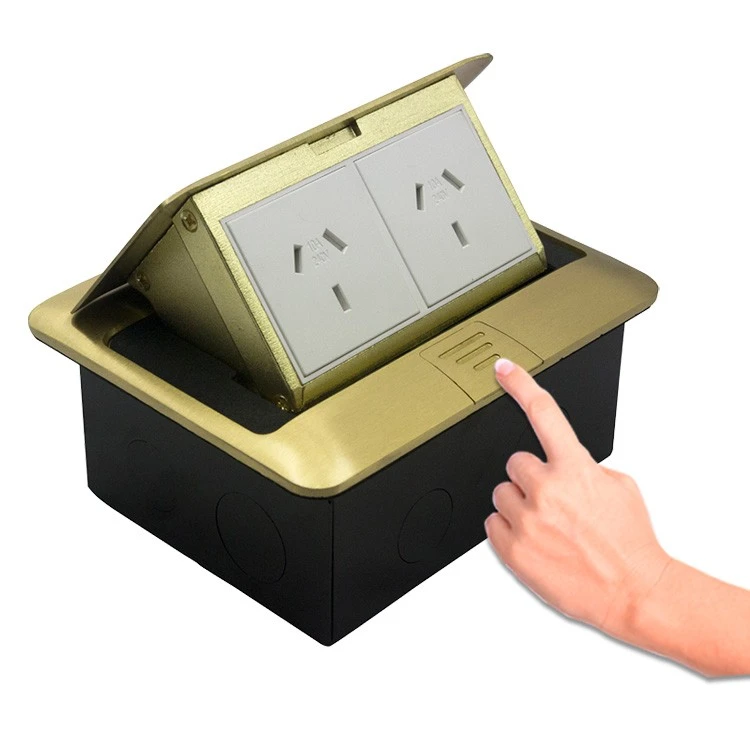

Our Brass Electrical Floor Socket is known for its durability. It's a great choice for areas with a lot of foot traffic. Again, depending on the electrical load, you might need to use special wiring. If it's in a commercial space with multiple devices plugged in, you'll want to make sure the wiring can handle the load.
The Damping Pop Up Floor Socket is a popular choice for modern offices and homes. It's convenient and looks great. But just like the other sockets, the wiring requirements vary. If it's going to be used in a high - power area, don't skimp on the wiring.
In conclusion, while it's possible to use standard wiring for some floor sockets, there are many situations where special wiring is required. It's all about considering the location, the electrical load, and the installation method. If you're not sure about the wiring requirements for your specific situation, it's always a good idea to consult with a professional electrician.
If you're interested in purchasing our floor sockets, we'd love to have a chat. Whether you need help with choosing the right socket or understanding the wiring requirements, we're here to assist. Just reach out, and we can start discussing your needs and how our products can fit into your project.
References
- Electrical Safety Codes and Standards, National Electrical Code (NEC)
- Manufacturers' Installation Manuals for Floor Sockets


