


Can I use a floor socket in a basement?
Basements are unique spaces in a building, often used for various purposes such as storage, recreation, or even as additional living areas. When it comes to equipping a basement with electrical facilities, one common question that arises is whether it's feasible to use a floor socket. As a floor socket supplier, we are here to provide a comprehensive answer to this query.
Understanding the Basement Environment
Before delving into the use of floor sockets in basements, it's crucial to understand the specific environmental conditions of basements. Basements are typically located below ground level, which means they are more prone to issues such as moisture, humidity, and potential flooding. These factors can have a significant impact on the performance and safety of electrical appliances, including floor sockets.
Moisture is one of the most critical concerns in basements. High humidity levels can lead to the accumulation of condensation on electrical components, which may cause short - circuits or corrosion over time. Additionally, in the event of a flood, floor sockets can be submerged in water, posing a serious safety hazard.
Suitability of Floor Sockets for Basements
Despite the challenges presented by the basement environment, it is possible to use floor sockets in basements, provided that certain precautions are taken.
- Waterproof and Moisture - Resistant Design: When selecting a floor socket for a basement, it's essential to choose a product that is specifically designed to be waterproof and moisture - resistant. Our Damping Soft Close Floor Socket is an excellent option in this regard. It features a high - quality sealing mechanism that prevents water and moisture from entering the socket, ensuring long - term reliability and safety.
- Proper Installation: Correct installation is key to ensuring the safe use of floor sockets in basements. The socket should be installed at a proper height above the floor to minimize the risk of water damage. Additionally, it's important to follow all local electrical codes and regulations during the installation process. This may include using appropriate conduit and grounding systems to protect against electrical faults.
- Regular Maintenance: Regular maintenance is necessary to keep floor sockets in good working condition. This includes inspecting the socket for signs of damage or corrosion, cleaning the contacts, and ensuring that the sealing mechanism is intact. By performing regular maintenance, you can extend the lifespan of the floor socket and reduce the risk of electrical problems.
Types of Floor Sockets Suitable for Basements
There are several types of floor sockets that are well - suited for use in basements.
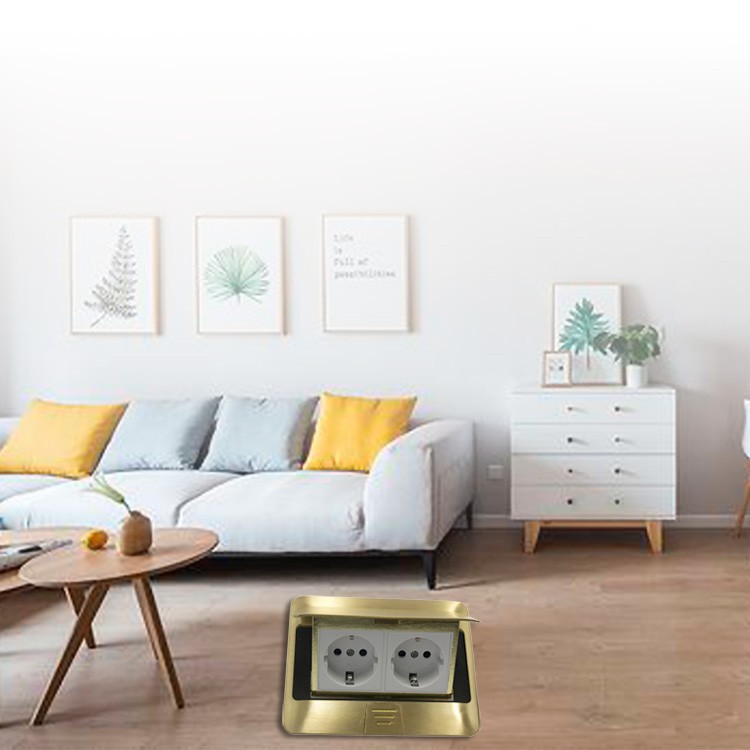
- Brass Electrical Floor Socket: Our Brass Electrical Floor Socket is a popular choice for basements. Brass is a durable and corrosion - resistant material, making it ideal for use in a damp environment. This type of socket also offers excellent electrical conductivity, ensuring reliable power supply.
- Garden Power Floor Socket: If you plan to use electrical equipment in a basement garden or for outdoor - style activities in the basement, our Garden Power Floor Socket is a great option. It is designed to withstand harsh weather conditions and is often equipped with additional safety features such as ground fault circuit interrupters (GFCIs).
Safety Considerations
Safety should always be the top priority when using floor sockets in basements. Here are some important safety tips:

- Use of GFCIs: Ground fault circuit interrupters are essential for protecting against electrical shock. They can detect even small imbalances in the electrical current and quickly shut off the power to prevent accidents. All floor sockets in basements should be equipped with GFCIs.
- Avoid Overloading: It's important not to overload the floor sockets in basements. Make sure to check the power ratings of the electrical appliances you are using and ensure that the total load does not exceed the capacity of the socket.
- Keep the Area Dry: As mentioned earlier, moisture is a major concern in basements. To prevent water damage to the floor sockets, it's important to keep the area dry. This may involve using dehumidifiers, fixing any leaks in the basement, and ensuring proper drainage.
Benefits of Using Floor Sockets in Basements
Using floor sockets in basements can offer several benefits:
- Convenience: Floor sockets provide a convenient way to access electrical power in the basement. They eliminate the need for long extension cords, which can be a tripping hazard.
- Aesthetics: Floor sockets can be a more aesthetically pleasing option compared to traditional wall sockets. They can be integrated into the floor design, creating a more seamless and modern look.
- Flexibility: With floor sockets, you have more flexibility in terms of where you can place your electrical appliances. You can easily move furniture and equipment around without having to worry about the location of the power source.
Conclusion
In conclusion, it is possible to use a floor socket in a basement, but it requires careful consideration of the basement environment, proper selection of the socket, and adherence to safety measures. As a floor socket supplier, we offer a range of high - quality products that are suitable for use in basements, including the Damping Soft Close Floor Socket, Brass Electrical Floor Socket, and Garden Power Floor Socket.
If you are considering using floor sockets in your basement or have any questions about our products, we encourage you to contact us for further information and to discuss your specific requirements. Our team of experts is ready to assist you in making the right choice for your basement electrical needs.
References
- National Electrical Code (NEC)
- Electrical safety standards and guidelines
- Manufacturer's product specifications for floor sockets


