


Can I use a 240V electrical socket in a 120V system?
As a seasoned electrical sockets supplier, one of the most common questions I encounter from both customers and industry enthusiasts is whether it's possible to use a 240V electrical socket in a 120V system. This is a crucial query, as using the wrong socket can lead to various safety hazards and equipment malfunctions. In this blog post, I'll delve into the technicalities of this issue, explore the potential risks and solutions, and also introduce some of our high - quality electrical sockets.
Understanding the Basics: 240V and 120V Systems
Before we can answer the question, it's essential to understand the difference between 240V and 120V electrical systems. In most countries, electrical power is distributed at different voltages to meet the diverse needs of various appliances and devices.

A 120V system is commonly used in North America for residential and small - scale commercial applications. It provides a relatively lower voltage, which is suitable for most household appliances such as lamps, televisions, and small kitchen appliances. On the other hand, a 240V system is often used for high - power appliances like electric stoves, dryers, and air conditioners. These appliances require more power to operate efficiently, and the higher voltage allows them to draw the necessary current.
The Compatibility Issue
In general, it is not advisable to use a 240V electrical socket in a 120V system, and vice versa. The main reason for this is the difference in voltage requirements. Electrical sockets and the appliances they are designed for are engineered to work within a specific voltage range.
If you try to use a 240V socket in a 120V system, the appliance connected to the socket may not function properly. Since the voltage is lower than what the appliance expects, it may not receive enough power to start or operate at its full capacity. For example, an electric heater designed for 240V may produce only a fraction of its normal heat output when connected to a 120V supply.
Moreover, using the wrong socket can also pose a safety risk. Electrical components in appliances are designed to handle a specific voltage and current. When an appliance is connected to a lower - than - rated voltage, it may draw more current to compensate for the lack of power. This increased current can cause overheating in the wires, which may lead to a fire hazard.
The Physical Differences
Apart from the electrical differences, 240V and 120V sockets also have physical differences. In North America, 120V sockets typically have two flat prongs and a round grounding pin. 240V sockets, on the other hand, have a different configuration, often with larger prongs or a different shape to prevent accidental connection to a 120V supply. This physical difference is a safety feature designed to prevent users from plugging incompatible appliances into the wrong sockets.
Solutions for Different Voltage Needs
If you have appliances with different voltage requirements in your home or business, there are several solutions available. One option is to use a voltage converter. A voltage converter can change the voltage from 120V to 240V or vice versa, allowing you to use appliances designed for a different voltage system. However, it's important to note that voltage converters have limitations. They may not be suitable for all types of appliances, especially high - power ones, and they can be expensive.
Another solution is to have a professional electrician install the appropriate sockets for your appliances. If you have a 240V appliance, an electrician can install a dedicated 240V circuit and socket in your home. This ensures that the appliance receives the correct voltage and operates safely.
Our Electrical Sockets
At our company, we offer a wide range of electrical sockets to meet different needs. Whether you need a socket for a 120V or 240V system, we have you covered. Here are some of our popular products:
- Auto Pop Up Electrical Outlets: These innovative outlets are designed to pop up when needed and retract when not in use, providing a clean and clutter - free look. They are suitable for both residential and commercial applications.
- Power Tower with Induction Charger: This power tower combines multiple electrical outlets with an induction charger, allowing you to charge your mobile devices wirelessly while powering other appliances.
- Air Spring Kitchen Socket: Ideal for the kitchen, this socket features an air - spring mechanism that makes it easy to plug and unplug appliances. It also has a sleek design that complements any kitchen decor.
- Appliance Smart Power Socket: This smart socket allows you to control your appliances remotely using your smartphone. You can turn them on or off, set timers, and monitor energy consumption.
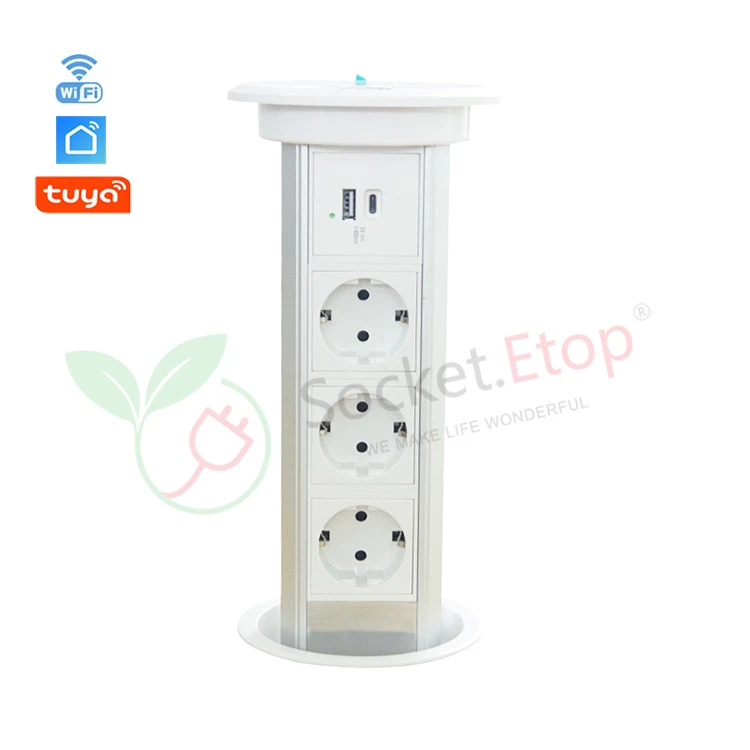
- Wifi Motorized Electrical Socket: With built - in Wi - Fi, this motorized socket can be controlled via a mobile app. It also has a motorized mechanism that allows you to open and close the socket cover, adding an extra layer of safety.
Conclusion and Call to Action
In conclusion, using a 240V electrical socket in a 120V system is generally not recommended due to compatibility issues and safety risks. It's important to ensure that your appliances are connected to the correct voltage sockets. However, if you have specific needs, there are solutions available, such as voltage converters or professional electrical installations.
At our company, we are committed to providing high - quality electrical sockets that meet the highest safety and performance standards. Whether you're a homeowner, a business owner, or an electrician, we have the right product for you. If you're interested in learning more about our products or have any questions about electrical sockets, please don't hesitate to contact us for a purchasing consultation. We look forward to serving you.
References
- Electrical Engineering Handbook, Fourth Edition, edited by Richard C. Dorf.
- National Electrical Code (NEC) standards.


